Why Trekking Stamina Matters
Trekking often involves walking for several hours across uneven terrain, climbing hills, and carrying a backpack. While the views and experiences are rewarding, the physical effort required can sometimes surprise beginners.
Many new trekkers assume that trekking is simply about walking, but the reality is that stamina plays a big role in how comfortable and enjoyable the journey feels.
Good stamina allows your body to maintain energy throughout the trek without becoming overly tired too quickly. It also helps improve breathing, muscle endurance, and overall confidence on the trail.
The good news is that trekking stamina is not something you need to be born with. With a few simple training habits and consistent preparation, almost anyone can improve their endurance and enjoy longer treks comfortably.
Start With Regular Walking
One of the simplest ways to build trekking stamina is by walking regularly. Walking helps your body adapt gradually to longer distances and strengthens the muscles used during trekking.
Begin with short walks and slowly increase both distance and duration over time. For example, you might start with a 20–30 minute walk and gradually extend it to one hour or more.
If possible, choose routes that include gentle slopes or stairs. These conditions mimic the uphill sections commonly found on trekking trails.
Consistent walking practice improves cardiovascular endurance and prepares your body for longer hikes.
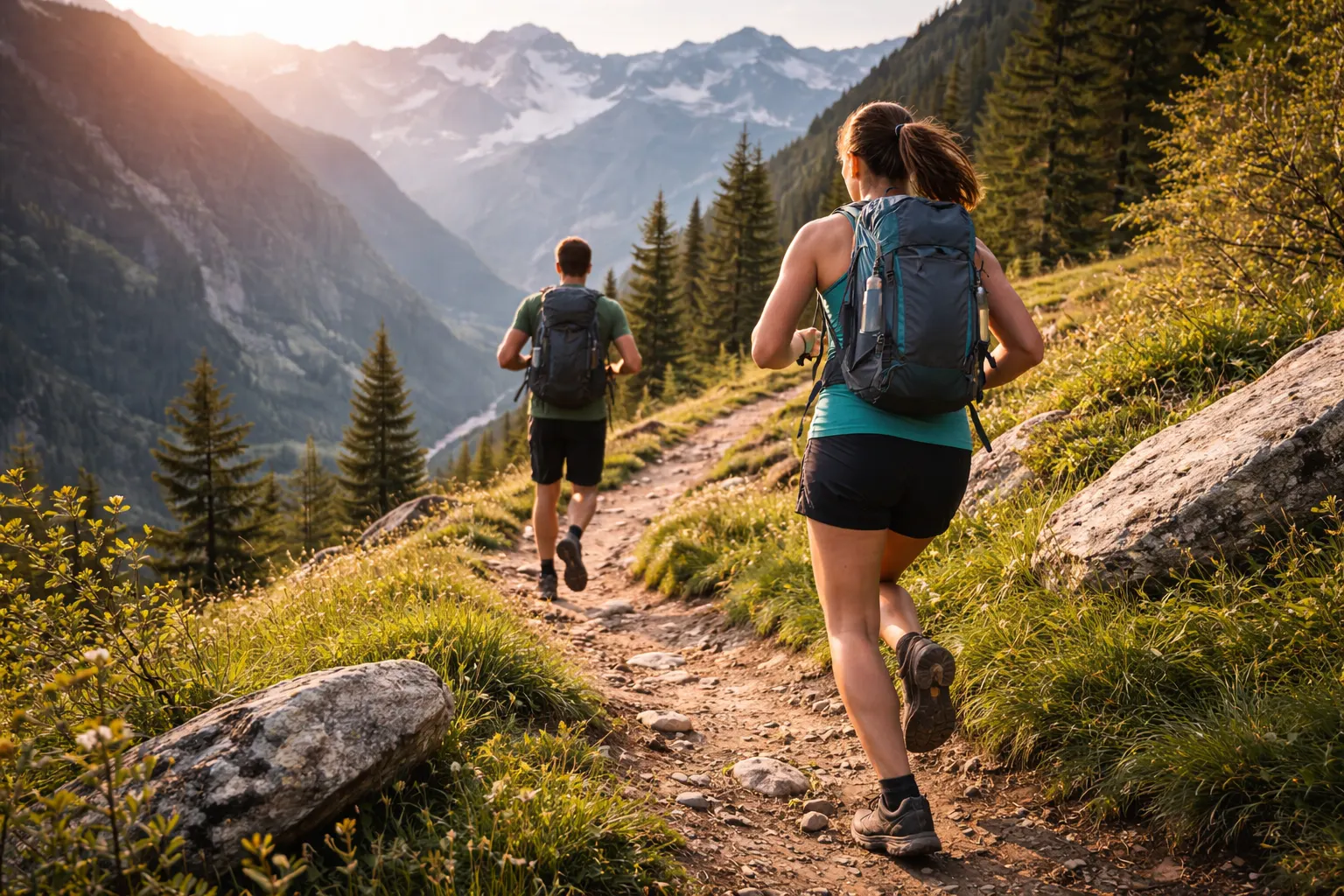
Regular walking is one of the best ways to build endurance for trekking.
Practice Climbing Stairs
Stair climbing is one of the most effective exercises for preparing your legs for trekking. Many trekking trails include long uphill sections that require strong leg muscles and endurance.
Climbing stairs helps strengthen the quadriceps, calves, and glutes, which are heavily used during uphill walking.
Start with a few flights of stairs and gradually increase repetitions as your stamina improves.
Stair workouts also improve heart and lung capacity, making it easier to maintain steady breathing during steep climbs on the trail.
Add Light Strength Training
While trekking mainly involves walking, strong muscles help support endurance and reduce fatigue. Light strength training exercises can help prepare your body for the physical demands of trekking.
Some useful exercises include:
- Squats for leg strength
- Lunges to improve balance and stability
- Step-ups to simulate uphill walking
- Core exercises to support posture
Strengthening your legs and core muscles helps you maintain stability and energy during long treks.
Train With a Backpack
During a trek, you will usually carry a backpack containing water, snacks, and other essentials. Practicing with a light backpack during training helps your body adjust to the additional weight.
Start by carrying a small amount of weight during your walks and gradually increase it as your stamina improves.
Training with a backpack helps strengthen the shoulders, back, and core muscles while also improving balance on uneven terrain.
By the time you begin your actual trek, your body will already be accustomed to carrying the load.
Focus on Breathing and Pacing
Many beginners lose stamina quickly because they walk too fast at the beginning of the trek. Maintaining a steady pace is much more effective than trying to move quickly.
Practice walking at a comfortable rhythm where you can breathe steadily without feeling breathless.
Controlled breathing helps your muscles receive more oxygen, allowing you to maintain endurance for longer periods.
Learning to pace yourself properly is one of the most valuable skills in trekking.
Stay Hydrated and Eat Well
Building stamina is not just about exercise. Proper hydration and nutrition also play an important role in improving endurance.
Drinking enough water helps maintain energy levels and supports muscle performance.
Eating balanced meals that include carbohydrates, protein, and healthy fats helps fuel your training sessions and recovery.
A well-nourished body performs better during both training and actual treks.
Give Your Body Time to Adapt
Improving stamina takes time and consistency. Instead of pushing yourself too hard in the beginning, focus on gradual progress.
Your body adapts naturally as you continue practicing walking, climbing, and strengthening exercises.
Within a few weeks of regular preparation, many beginners notice significant improvements in their endurance and confidence.
By the time your trek arrives, your body will be better prepared to handle the physical demands of the trail.
Mototrek Tip
Consistency is the key to building trekking stamina. Even short daily walks or simple exercises can significantly improve endurance over time. Preparing your body in advance makes trekking far more enjoyable.