Do You Need to Be Extremely Fit to Start Trekking?
One of the most common questions beginners ask before their first trek is whether they need to be very fit to start trekking. The idea of walking through mountains or long trails can sometimes feel intimidating, especially for people who are new to outdoor activities.
The truth is that you do not need to be an athlete or a professional hiker to enjoy trekking. Many people begin trekking with average fitness levels and gradually improve their stamina and confidence over time.
Trekking is more about consistency, pacing, and preparation than extreme fitness. With the right mindset and a beginner-friendly route, almost anyone can experience the joy of walking through nature.
Understanding the level of fitness required for trekking helps you prepare realistically and approach your first trek with confidence.
Basic Fitness Is Usually Enough
For most beginner treks, basic physical fitness is sufficient. If you can comfortably walk for an hour or more on regular ground, you already have a good starting point for trekking.
The main difference between normal walking and trekking is the terrain. Trails may include slopes, rocky paths, forest tracks, or uneven surfaces that require slightly more effort and balance.
However, beginner trekking routes are usually designed to be manageable for people who are reasonably active.
With proper pacing and short rest breaks, most people can complete their first trek without needing advanced fitness levels.
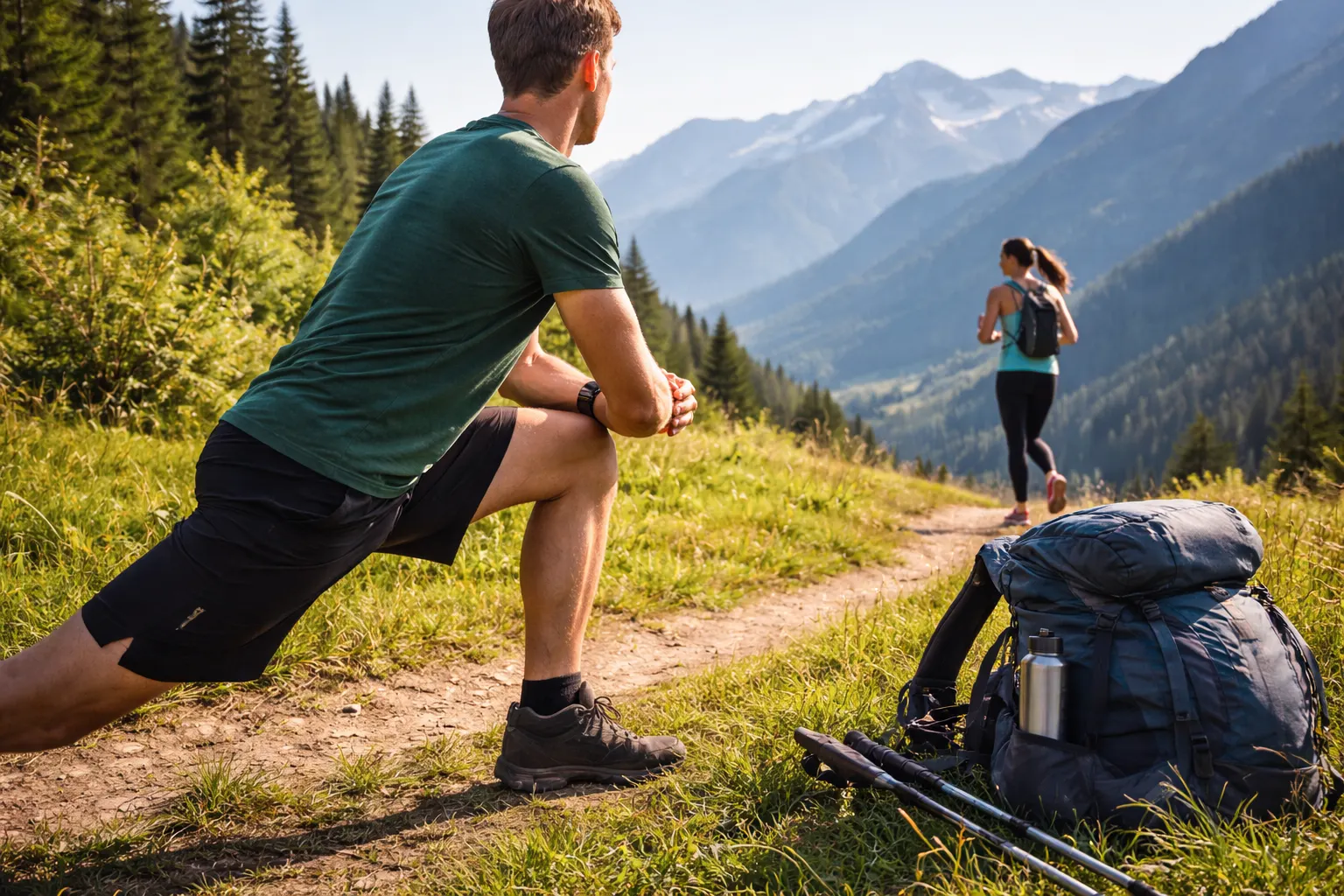
Many beginner trekking trails are suitable for people with basic fitness levels.
Endurance Matters More Than Strength
While strength is helpful, endurance is the more important factor in trekking. Trekking often involves walking steadily for several hours rather than performing short bursts of intense activity.
Having good endurance allows your body to maintain energy and breathing efficiency throughout the journey.
This type of endurance can be developed through simple activities such as regular walking, light jogging, cycling, or stair climbing.
Even moderate training over a few weeks can significantly improve stamina and make trekking feel easier.
Mental Preparedness Is Just as Important
Fitness is not only about physical ability. Mental attitude also plays a major role in trekking experiences.
Trails may include challenging sections, longer distances than expected, or changing weather conditions. Maintaining a calm and patient mindset helps you handle these situations more effectively.
Many trekkers discover that determination and patience often matter more than raw physical strength.
When you focus on steady progress and enjoy the journey rather than rushing, trekking becomes much more manageable.
Start With Beginner-Friendly Treks
If you are unsure about your fitness level, the best approach is to start with shorter and easier treks.
Beginner treks often involve moderate distances, manageable elevation gains, and well-defined trails. These routes allow new trekkers to build confidence and learn basic trekking skills.
After completing a few easier treks, many people naturally develop better stamina and become comfortable with longer or more challenging routes.
Gradually increasing difficulty is a safe and enjoyable way to grow as a trekker.
Small Training Habits Can Help
Although extreme fitness is not required, a few simple training habits can make trekking much more comfortable.
Some helpful activities include:
- Regular walking or brisk walking
- Climbing stairs to strengthen leg muscles
- Light jogging or cycling for endurance
- Stretching exercises for flexibility
- Practicing hikes on nearby hills or trails
These activities help your body adapt gradually to the physical demands of trekking.
Listen to Your Body on the Trail
During a trek, it is important to listen to your body and maintain a comfortable pace. Walking too fast at the beginning can lead to fatigue later in the journey.
Take short breaks when needed, stay hydrated, and maintain steady breathing while walking.
Most trekking groups naturally adjust their pace to accommodate different fitness levels, allowing everyone to enjoy the experience.
By pacing yourself wisely, you can complete treks comfortably even if you are still building your stamina.
Trekking Improves Your Fitness Over Time
Interestingly, many people begin trekking to improve their fitness rather than because they are already highly fit.
Regular trekking strengthens leg muscles, improves cardiovascular endurance, and enhances overall physical health.
Over time, trekkers often notice that their stamina increases naturally and trails that once felt challenging become much easier.
In this way, trekking itself becomes a great way to build long-term fitness while enjoying outdoor adventures.
Mototrek Tip
You do not need perfect fitness to start trekking. Begin with manageable trails, walk at a steady pace, and allow your stamina to grow naturally with experience.