Why Mental Preparation Matters for Trekking
When people prepare for a trek, they usually focus on physical fitness, gear, and packing essentials. While these things are important, mental preparation is just as crucial for a successful and enjoyable trekking experience.
Trekking often involves long hours of walking, steep climbs, changing weather conditions, and moments when your body feels tired. In these situations, your mindset plays a powerful role in how you handle challenges on the trail.
A positive and prepared mindset helps trekkers stay calm, motivated, and focused even when the trail becomes difficult. Instead of feeling overwhelmed, mentally prepared trekkers learn to pace themselves, enjoy the journey, and adapt to unexpected situations.
Developing the right mindset before your trek can make the difference between simply completing the trek and truly enjoying the entire experience.
Set Realistic Expectations
One of the most important aspects of mental preparation is understanding what the trek will actually be like. Many beginners imagine trekking as a simple walk with beautiful views, but real trails can involve physical effort and changing terrain.
- Expect steep climbs and uneven trails
- Understand that fatigue is a normal part of trekking
- Be prepared for changing weather conditions
- Accept that progress may be slower than expected
When you begin a trek with realistic expectations, challenges feel less frustrating and more like part of the adventure.
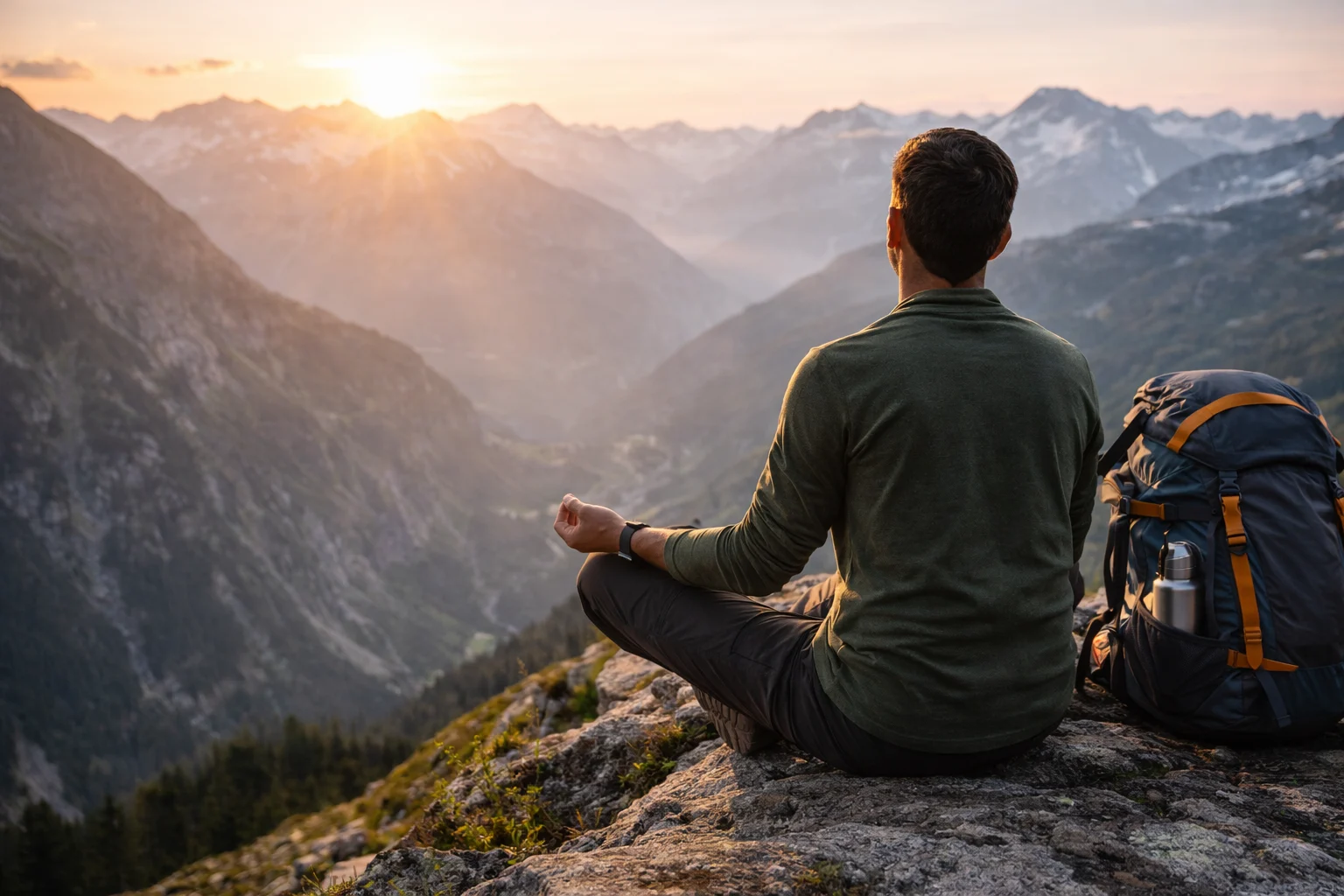
A positive mindset helps trekkers enjoy the journey even during challenging sections.
Focus on the Journey, Not Just the Destination
Many trekkers make the mistake of thinking only about reaching the summit or final viewpoint. While reaching the destination is exciting, trekking is really about the entire journey.
The trails, forests, mountain views, and small discoveries along the way are what make trekking memorable. When you focus only on the destination, every uphill section can feel tiring.
Instead, try to enjoy each step of the trail. Observe the scenery, listen to nature, and appreciate the experience of being outdoors.
This shift in perspective helps reduce stress and makes the trek feel more enjoyable.
Stay Patient and Maintain Your Pace
Trekking is not a race. One of the biggest mental challenges for beginners is comparing themselves to faster trekkers in the group.
Everyone has a different pace and stamina level. The key is to walk at a comfortable rhythm that allows you to maintain energy throughout the trek.
Taking steady steps, staying hydrated, and allowing yourself regular breaks helps maintain both physical and mental balance on the trail.
Patience is often one of the most valuable skills a trekker can develop.
Embrace the Challenges of the Trail
Every trek has moments that feel challenging — steep climbs, slippery sections, or long stretches of walking. Instead of seeing these moments as obstacles, try to view them as part of the adventure.
Many trekkers discover that overcoming small challenges on the trail builds confidence and creates a strong sense of accomplishment.
When you finally reach the viewpoint or summit after working through those challenges, the experience feels far more rewarding.
The mental strength developed during trekking often stays with you long after the trek is over.
Mototrek Tip
Before starting a trek, remind yourself that trekking is a journey, not a competition. Walk at your own pace, stay positive, and enjoy the experience of being surrounded by nature.