Why Pre-Trek Nutrition Matters
Trekking can be physically demanding, especially when trails include steep climbs, uneven terrain, or long walking distances. What you eat before starting your trek plays an important role in how your body performs during the journey.
A proper pre-trek meal provides the energy your muscles need to keep moving for several hours. Without enough fuel, you may start feeling tired, weak, or low on energy much sooner than expected.
Just like athletes prepare their bodies before physical activities, trekkers also benefit from choosing the right foods before hitting the trail. The goal is to provide steady energy without feeling heavy or uncomfortable while walking.
Understanding what to eat before a trek can help you maintain stamina, improve endurance, and enjoy the adventure more comfortably.
Focus on Energy-Rich Carbohydrates
Carbohydrates are the body's primary source of energy during physical activity. When trekking, your muscles rely heavily on carbohydrates to sustain long periods of movement.
Eating a meal rich in complex carbohydrates before your trek helps ensure that your body has enough fuel to perform efficiently.
Some good carbohydrate options include:
- Oats or oatmeal
- Whole grain bread or toast
- Rice or simple rice-based dishes
- Bananas or other fruits
- Potatoes or sweet potatoes
These foods release energy gradually, helping maintain stable energy levels during the early hours of the trek.
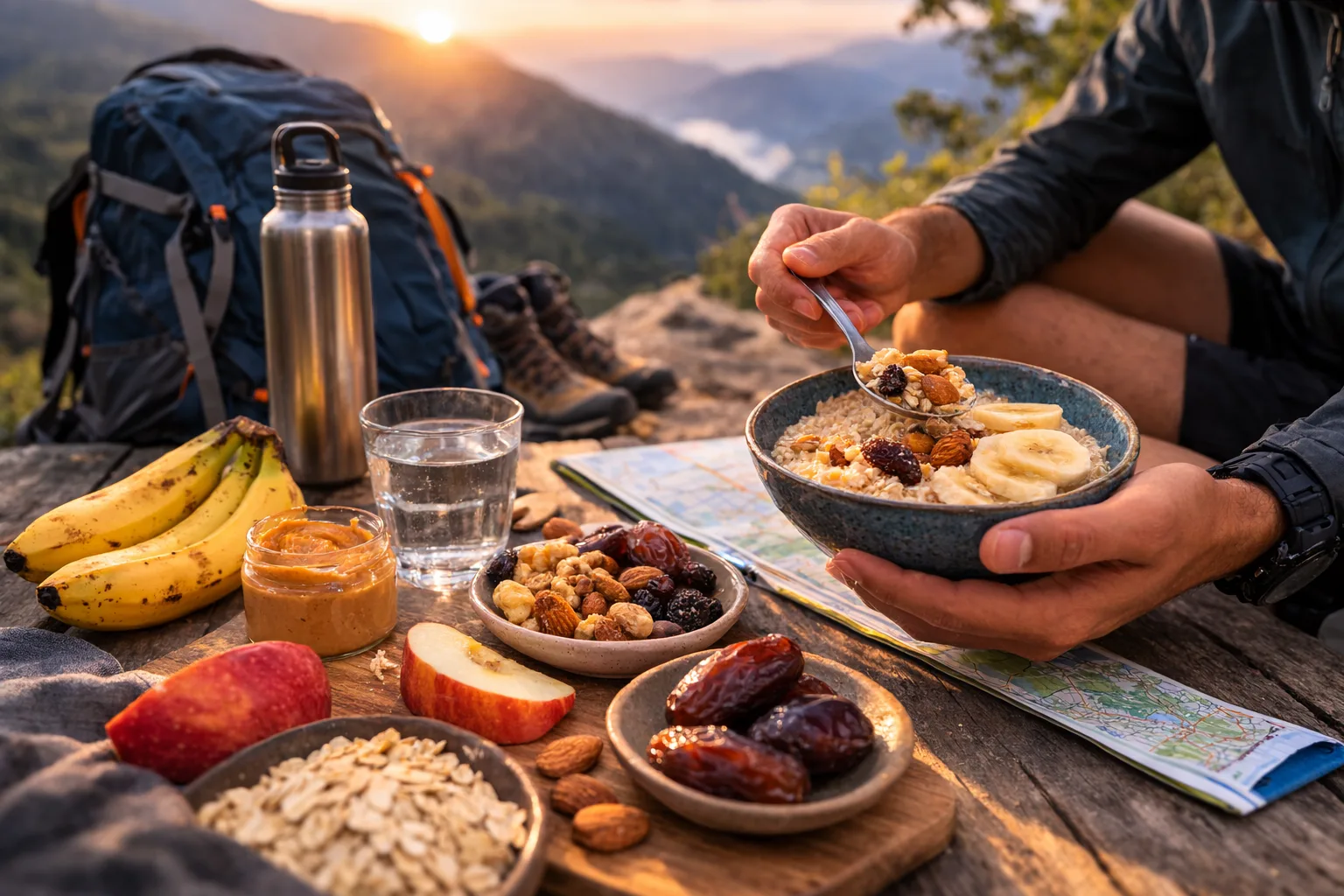
A balanced meal before trekking helps provide the energy needed for long hikes.
Include Some Protein for Endurance
While carbohydrates provide quick energy, adding a small amount of protein to your pre-trek meal can help support muscle endurance and recovery.
Protein helps your body maintain strength during long physical activities and can prevent excessive fatigue during extended hikes.
Some simple protein options before a trek include:
- Eggs
- Greek yogurt
- Peanut butter
- Nuts or nut butter
- Paneer or tofu
Combining protein with carbohydrates creates a balanced meal that supports both energy and endurance.
Avoid Heavy or Greasy Foods
While it may be tempting to eat a large or heavy meal before trekking, overly rich or greasy foods can make you feel sluggish and uncomfortable during the hike.
Foods that are high in oil or fat take longer to digest and may cause stomach discomfort while walking.
Some foods that are better avoided before a trek include:
- Deep fried foods
- Heavy fast food meals
- Very spicy dishes
- Sugary desserts in large quantities
Choosing lighter and balanced meals helps your body digest food efficiently while maintaining energy.
Stay Hydrated Before the Trek
Hydration is just as important as nutrition when preparing for a trek. Starting the hike while already dehydrated can make physical activity feel much harder than it should.
Drinking water before your trek helps regulate body temperature, maintain stamina, and support muscle function.
It is a good idea to drink water steadily in the hour before starting the trek. However, avoid drinking excessive amounts right before walking, as this may feel uncomfortable.
Some trekkers also prefer drinks containing electrolytes, especially when trekking in warm weather or during long hikes.
Eat 1–2 Hours Before Starting
Timing your meal properly can also improve comfort during the trek. Eating too close to the start of the hike may leave you feeling heavy or sluggish.
Ideally, a balanced meal should be eaten about one to two hours before starting the trek. This allows your body enough time to digest the food and convert it into usable energy.
If you are starting very early in the morning, even a light breakfast such as fruit, toast, or oats can provide useful energy for the first section of the trail.
Later during the trek, you can continue replenishing energy with small snacks.
Simple Pre-Trek Meal Ideas
If you're unsure what to eat before a trek, here are a few simple meal combinations that work well for many trekkers:
- Oatmeal with banana and nuts
- Whole grain toast with peanut butter
- Eggs with toast and fruit
- Rice with vegetables and a light protein
- Yogurt with granola and fruit
These meals provide a balanced mix of carbohydrates, protein, and nutrients that help support physical activity during the trek.
Mototrek Tip
Before every trek, aim for a balanced meal that includes carbohydrates, some protein, and proper hydration. Starting your trek with the right fuel helps maintain energy levels and makes the entire experience more enjoyable.